Can a 91 Year Old Man Regain Strength by Eating Drinking and Sleeping Properly in 2026

A 91-year-old man can sometimes regain meaningful strength, steadiness, and daily function after eating, drinking, and sleeping better. But the honest answer is not “yes” or “no.” It is yes, if the weakness is partly caused by things that can be corrected, and if the plan includes medical care and safe movement, not food and sleep alone.
At 91, the body still responds to better nutrition, fluids, rest, and activity. Older muscles do not repair as quickly as younger muscles, but they can still adapt. Research on older adults shows that strength training and enough protein can improve muscle strength even late in life. The National Institute on Aging also encourages older adults to stay active because physical activity can help with strength, balance, mood, sleep, and independence.
Still, sudden weakness in a 91-year-old is never something to brush off. Dehydration, infection, medication side effects, depression, pain, poorly controlled blood sugar, anemia, heart problems, and recent falls can all make an older person “not himself” very quickly. Eating, drinking, and sleeping properly may be part of recovery, but a doctor should check for treatable causes.
This article is for general information only. It is not medical advice or a substitute for care from a physician, nurse, dietitian, or physical therapist.

A 91-year-old body can still recover, but the goal should be realistic
“Getting back on his feet” can mean different things. For one man, it may mean walking to the bathroom without help. For another, it may mean getting out of a chair, taking short walks outside, or returning home after a hospital stay.
At 91, recovery often looks like small gains that add up:
Standing up with less help
Walking a few more steps each day
Eating full meals again
Sleeping through more of the night
Having fewer dizzy spells
Feeling more alert during the day
Regaining enough strength to bathe, dress, or use the bathroom more safely
These gains matter. They can reduce fall risk, protect dignity, and make caregiving easier.
The body at 91 has less reserve than it did at 61. A few days of poor intake, bed rest, or illness can cause a sharp drop in strength. Hospitals and nursing homes often see this. After very little movement, older adults may lose strength faster than younger people. The good news is that some of that loss can be rebuilt, especially when the cause is poor food intake, low fluid intake, poor sleep, or lack of movement.
The not-so-good news is that recovery may be limited if there is advanced disease, severe memory loss, repeated infections, nerve damage, severe arthritis, or long periods of immobility. Even then, proper food, fluids, sleep, and gentle movement may still improve comfort and function.
A practical recovery question is this:
Has he declined because of aging alone, or because something treatable has been missed?
That question matters more than age by itself.
Food gives the body the building blocks to regain strength
At any age, muscles need enough calories and protein to repair. At 91, this becomes even more important because appetite often drops. Taste and smell may fade. Dental problems can make chewing hard. Constipation, medications, loneliness, grief, and trouble swallowing can also reduce intake.
If a man is not eating enough, his body may break down muscle for energy. That makes walking, standing, and balance harder.
A strong 2026-style nutrition plan for an older adult is not extreme. It is steady, safe, and easy to repeat.
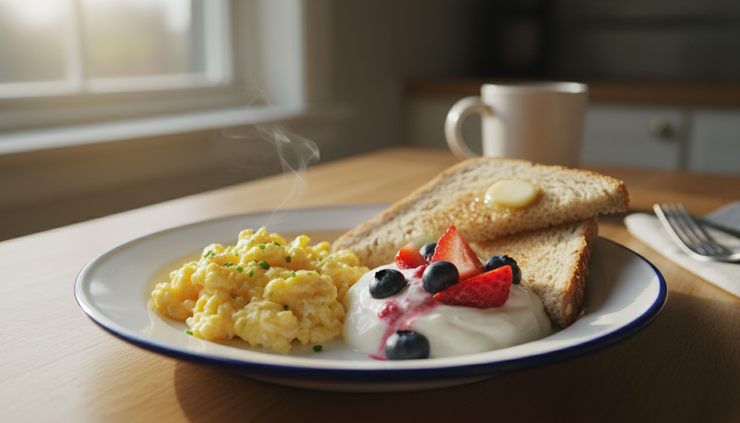
Protein should appear at most meals
Protein helps maintain and rebuild muscle. Many geriatric nutrition experts recommend that healthy older adults often need more protein than younger adults, especially during recovery. A commonly discussed range is about 1.0 to 1.2 grams of protein per kilogram of body weight per day, unless a doctor has limited protein because of kidney disease or another condition.
For a new reader, here is what that means in plain terms: a 150-pound man may need roughly 68 to 82 grams of protein per day. That is not exact medical advice, but it shows why a piece of toast and coffee is not enough for recovery.
Good protein choices include:
Eggs
Greek yogurt
Cottage cheese
Fish
Chicken or turkey
Beans or lentils
Tofu
Milk or fortified soy milk
Nut butters
Soft meats in soups or stews
For someone with a small appetite, spreading protein through the day works better than saving it all for dinner.
Calories matter too
Protein alone is not enough if total food intake is too low. The body needs energy to heal. A frail older man may benefit from smaller, more frequent meals if large plates feel overwhelming.
Helpful calorie-rich foods can include:
Oatmeal made with milk
Avocado
Olive oil added to vegetables or soup
Peanut butter on toast
Full-fat yogurt, if tolerated
Smoothies with yogurt, fruit, and nut butter
Soups with beans, chicken, or lentils
Weight loss in a 91-year-old should be taken seriously, especially if it is unplanned. A doctor or registered dietitian can help decide whether supplements, texture changes, or appetite support are needed.
Micronutrients still count
Vitamin D, calcium, iron, and vitamin B12 problems are common enough in older adults that clinicians often check them when weakness appears. Vitamin B12 is especially important because low levels can affect nerves, balance, and thinking. Vitamin D and calcium support bone health, which matters because falls can lead to fractures.
Supplements should not be started blindly in high doses. Some can interact with medicines. Blood tests and a clinician’s guidance are safer.
Drinking enough can change strength faster than people expect
Dehydration can make a 91-year-old look suddenly weak, confused, dizzy, sleepy, or unsteady. Older adults are at higher risk because thirst signals can become less reliable with age. Some also drink less on purpose because they worry about bathroom trips or incontinence.
Poor fluid intake can contribute to:
Low blood pressure when standing
Constipation
Urinary problems
Confusion
Falls
Fatigue
Poor appetite
The National Academies of Sciences, Engineering, and Medicine has set general daily fluid intake levels for adults, but those numbers include water from food and all drinks. A 91-year-old’s personal fluid goal should depend on heart health, kidney function, medications, sweating, fever, and activity level.
For many older adults, a practical plan is better than a large target number. For example:
Daily habit | Why it helps |
Keep water within reach | Weak people may not get up often enough to drink |
Offer fluids with every meal | Routine makes drinking easier |
Use soups, fruit, and yogurt | Food can add fluid too |
Watch urine color and frequency | Very dark urine can be a warning sign |
Ask about dizziness when standing | This can signal low fluid intake or medication issues |
Some people are told to limit fluids because of heart failure, kidney disease, or low blood sodium. In those cases, the doctor’s limit matters. More water is not always safer.
A simple sign that hydration may be helping is improved alertness within a day or two. Strength takes longer, but clearer thinking and less dizziness can happen sooner when dehydration is corrected.
Sleep is when the body repairs, but sleep problems need a cause
Sleep is not just rest. During sleep, the body supports immune function, tissue repair, memory, mood, and hormone balance. Poor sleep can worsen pain, appetite, balance, and daytime energy.
A 91-year-old may sleep lightly or wake often. That can be normal with age, but severe sleep disruption should not be ignored.
Common reasons older adults sleep poorly include:
Pain from arthritis or injury
Needing to urinate often
Shortness of breath
Anxiety, grief, or depression
Long daytime naps
Caffeine late in the day
Alcohol
Restless legs
Medication side effects
Untreated sleep breathing problems
Healthy sleep habits can help, but they work best when the cause is addressed.
A practical sleep plan may include:
Morning light exposure near a window or outside
A regular wake-up time
Gentle daytime activity, if safe
Short naps rather than long afternoon sleep
Less caffeine after lunch
A calm bedtime routine
A dark, quiet, comfortable room
Pain control discussed with a clinician
Sleep medicines can be risky in older adults. Some increase confusion, falls, and next-day grogginess. Any sleep aid, including over-the-counter products, should be reviewed by a clinician who knows his medications and health history.

Food, fluids, and sleep work best when paired with safe movement
Eating, drinking, and sleeping properly can prepare the body to recover. Movement tells the body what strength is needed. Without movement, the body has less reason to rebuild muscle.
This does not mean a frail 91-year-old should start intense exercise. It means safe, supervised activity that matches his current ability.
A physical therapist can test balance, walking, leg strength, and fall risk. They can also teach safe exercises. That is especially important if he has fallen, uses a walker, has dizziness, or is recovering from illness.
Examples of gentle strength-building activities may include:
Sitting upright for meals instead of eating in bed
Standing from a chair with help
Walking a short hallway with a walker
Heel raises while holding a counter
Seated knee lifts
Light hand weights or resistance bands
Practicing transfers from bed to chair
Progress should be slow. At 91, a good plan may start with one or two minutes at a time. The goal is consistency, not exhaustion.
A useful rule is that exercise should feel challenging but not frightening. Stop and get medical advice if movement causes chest pain, fainting, new shortness of breath, sudden weakness on one side, severe dizziness, or a fall.
Watch for red flags that need medical care
Proper food, fluid, and sleep should not delay urgent help. Call a doctor promptly, or seek emergency care, if a 91-year-old has:
Sudden inability to stand or walk
New confusion or severe sleepiness
Fever or signs of infection
Chest pain or trouble breathing
Signs of stroke, such as face drooping, arm weakness, or speech trouble
A fall with pain, head injury, or trouble bearing weight
Very little urine
Black or bloody stool
Rapid weight loss
Refusing food or fluids for more than a short period
Older adults can have serious illness without classic symptoms. For example, infection may show up as weakness or confusion rather than a high fever.
What a realistic recovery plan can look like
A 91-year-old who has been eating poorly, drinking little, and sleeping badly may need a simple plan that family, caregivers, and clinicians can follow.
Here is a practical example. This is not a prescription, but it shows the pattern.
Time of day | Supportive habit |
Morning | Wake at a steady time, open curtains, drink water, eat a protein-rich breakfast |
Midday | Short walk or chair exercises, lunch with protein and vegetables, fluids within reach |
Afternoon | Rest if needed, keep nap short, offer a snack such as yogurt or peanut butter toast |
Evening | Dinner with soft, easy-to-chew protein, reduce caffeine, keep lighting calm |
Night | Safe path to bathroom, review pain control, avoid unnecessary sleep medicines |
Tracking can help. A simple notebook can record meals, fluids, sleep, walking distance, bathroom habits, mood, and falls. Patterns become easier to see. If weakness improves after hydration and meals, that is useful information. If it does not improve, the care team has a clearer picture.
Caregivers should also check the environment. Loose rugs, poor lighting, low chairs, clutter, and slippery bathrooms can make “getting back on his feet” harder than it needs to be.
Helpful safety changes include:
A firm chair with arms
Night lights
Grab bars in the bathroom
Proper shoes with backs
A walker adjusted to the right height
Frequently used items placed within easy reach

The most honest answer
A 91-year-old man can regain strength if poor eating, low fluid intake, poor sleep, and inactivity are major reasons for his decline. Many older adults do improve when those basics are corrected, especially with safe movement and medical oversight.
But recovery is not guaranteed, and age is only one part of the picture. The cause of the weakness matters. The length of decline matters. So do medications, heart and kidney health, memory, mood, pain, infections, and fall history.
The best 2026-standard approach is not complicated:
Look for treatable medical causes.
Provide enough protein and calories.
Prevent dehydration while respecting fluid limits.
Improve sleep by treating the reason it is poor.
Add safe movement, ideally guided by a physical therapist.
Track small changes over days and weeks.
If he starts eating, drinking, and sleeping properly, he may not return to the strength he had years ago. But he may be able to stand more safely, walk farther, think more clearly, and take part in daily life again. At 91, those gains are not small. They are often the difference between being stuck in bed and being back on his feet.


Comments