Understanding the Causes and Cures for Plantar Fasciitis in 2026
- Rick Delarosa

- Apr 16
- 3 min read
Plantar fasciitis remains one of the most common causes of heel pain, affecting millions worldwide. As we move through 2026, advances in understanding its causes and treatments offer new hope for those suffering from this condition. This post explores how plantar fasciitis occurs and the latest approaches to its cure, helping readers take informed steps toward relief.
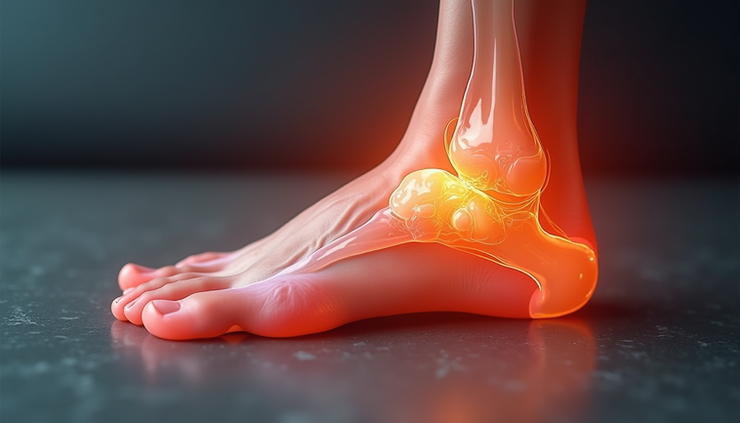
What Causes Plantar Fasciitis?
Plantar fasciitis happens when the thick band of tissue running along the bottom of the foot, called the plantar fascia, becomes irritated or inflamed. This tissue connects the heel bone to the toes and supports the arch of the foot. When it is overstressed, tiny tears can develop, leading to pain and stiffness.
Several factors contribute to this overstress:
Overuse or repetitive strain: Activities like running, walking long distances, or standing for extended periods put constant pressure on the plantar fascia.
Foot structure: Flat feet, high arches, or abnormal walking patterns can increase tension on the fascia.
Improper footwear: Shoes lacking proper arch support or cushioning fail to absorb shock, worsening strain.
Weight gain: Extra body weight increases pressure on the heel and fascia.
Age and lifestyle: Plantar fasciitis is more common in people aged 40 to 60 and those with sedentary lifestyles who suddenly increase activity levels.
Understanding these causes helps identify who is at risk and what lifestyle changes might prevent the condition.
Symptoms to Recognize
The hallmark symptom of plantar fasciitis is sharp heel pain, especially noticeable with the first steps in the morning or after sitting for a long time. The pain often decreases with activity but can return after prolonged standing or intense exercise.
Other signs include:
Tenderness at the bottom of the heel
Stiffness in the foot after rest
Swelling or redness in some cases
Early recognition of these symptoms is key to preventing chronic issues.

Advances in Treatment and Cure in 2026
Treatment for plantar fasciitis has evolved significantly. While traditional methods like rest, ice, and stretching remain important, 2026 brings new options that improve recovery times and outcomes.
Non-Surgical Treatments
Targeted physical therapy: Customized exercises now use real-time feedback and wearable sensors to ensure proper technique and maximize healing.
Shockwave therapy: This non-invasive treatment uses sound waves to stimulate tissue repair and reduce inflammation.
Advanced orthotics: 3D-printed custom insoles provide precise arch support tailored to an individual’s foot shape and gait.
Anti-inflammatory medications: New topical formulations deliver medication directly to the affected area with fewer side effects.
Cutting-Edge Medical Procedures
For cases that do not respond to conservative care, minimally invasive procedures have improved:
Platelet-rich plasma (PRP) injections: PRP uses the patient’s own blood components to promote tissue regeneration.
Ultrasound-guided corticosteroid injections: These provide targeted relief with reduced risk of tissue damage.
Percutaneous fasciotomy: A small incision releases tension in the fascia, allowing faster healing with less downtime than traditional surgery.
Lifestyle and Preventive Measures
In 2026, prevention focuses on combining technology and lifestyle adjustments:
Using smart footwear that tracks pressure points and alerts wearers to harmful gait patterns.
Incorporating daily foot stretching and strengthening routines guided by mobile apps.
Maintaining healthy weight through balanced diet and regular exercise.
These approaches reduce the risk of recurrence and support long-term foot health.

Practical Tips for Managing Plantar Fasciitis
Start with gentle stretching: Focus on calf muscles and plantar fascia stretches every day.
Choose supportive shoes: Look for shoes with good arch support and cushioning, especially if you spend a lot of time on your feet.
Avoid sudden increases in activity: Gradually build up exercise intensity to prevent overload.
Use ice therapy: Apply ice to the heel for 15-20 minutes after activity to reduce inflammation.
Consult a specialist early: If pain persists beyond a few weeks, seek professional advice to explore advanced treatments.
Final Thoughts on Plantar Fasciitis in 2026
Plantar fasciitis can disrupt daily life, but understanding its causes and the latest treatment options empowers sufferers to take control. Advances in technology and medicine in 2026 provide more effective, personalized care than ever before. By combining proper footwear, targeted therapy, and smart lifestyle choices, many people find lasting relief and return to pain-free movement.



Comments