What Is a Sports Physiologist and How Do They Boost Performance and Prevent Injuries

A faster sprint, a stronger finish, and fewer missed games rarely happen by accident. They come from measuring the body, finding limits, and training with a clear plan.
That is where a sports physiologist fits in.
A sports physiologist studies how the body responds to exercise. They use science to help athletes train harder, recover better, and lower injury risk. Their work sits between performance coaching, exercise science, and health care.
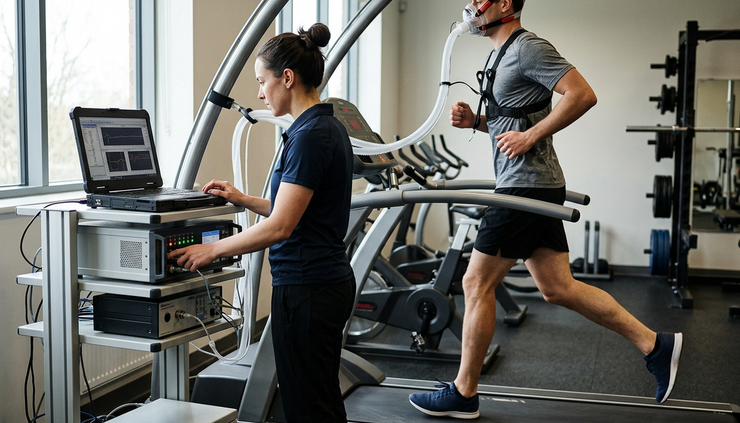
What a sports physiologist does
A sports physiologist looks at how the heart, lungs, muscles, energy systems, and nervous system work during sport. The goal is simple. Help athletes perform better without breaking down.
They may work with:
Professional and college athletes
Youth athletes in development programs
Endurance athletes
Strength and power athletes
Tactical athletes, such as firefighters or military personnel
Recreational athletes who want better results
People returning to exercise after illness or injury, when qualified to do so
The job is not just testing athletes in a lab. It also includes planning training, reading performance data, spotting fatigue patterns, and working with coaches and medical staff.
A sports physiologist may answer questions like:
Why does an athlete fade late in a game?
Is a runner training too hard too often?
Does a player need more strength, more power, or better movement control?
Is the current recovery plan enough?
What does testing say about aerobic capacity, speed, or fatigue resistance?
Their value comes from turning body data into training decisions.
How they differ from coaches, physical therapists, and athletic trainers
Sports performance involves many professionals. Their roles can overlap, but they are not the same.
Role | Main focus | Common work |
Sports physiologist | Exercise response and performance data | Fitness testing, conditioning plans, workload tracking |
Strength and conditioning coach | Training execution and physical development | Strength, power, speed, agility, and gym programming |
Physical therapist | Rehab and movement recovery | Injury treatment, pain reduction, return-to-function plans |
Athletic trainer | On-site injury care and athlete health | Emergency care, taping, injury evaluation, return-to-play support |
Sport scientist | Broad performance analysis | Data systems, biomechanics, physiology, and team monitoring |
In many settings, these roles work together. A physical therapist may clear an athlete after an injury. The sports physiologist may then guide conditioning loads so the athlete rebuilds fitness safely. A strength coach may deliver the gym program based on that plan.
Good teams share information. Ego gets in the way. Clear roles help athletes.
How sports physiologists boost performance
Performance gains start with a clear picture of the athlete’s current condition. Guesswork wastes time. Testing helps identify what needs the most work.
A sports physiologist may improve performance in several areas.
They build better energy systems
Different sports use different energy systems.
A marathon runner needs strong aerobic endurance. A basketball player needs repeated bursts. A weightlifter needs force and power. A soccer player needs endurance, speed, recovery between sprints, and change of direction.
Sports physiologists match training to the sport. They may adjust:
Long aerobic sessions
Tempo work
Sprint intervals
Repeated high-intensity efforts
Recovery sessions
Strength and power blocks
The goal is not to train everything at once. The goal is to train the right quality at the right time.
They improve training zones
Training zones guide intensity. They help athletes know when to go easy, moderate, or hard.
A sports physiologist can set zones using tests such as heart rate response, lactate threshold, breathing markers, or pace and power data. These zones help athletes avoid two common mistakes.
One mistake is going too easy when the goal is adaptation. The other is going too hard too often.
Poor intensity control can lead to flat performance, constant soreness, and poor recovery. Better zones make training more precise.
They help manage workload
Workload is the amount of stress placed on the body. It includes practice, competition, gym work, travel, sleep loss, and life stress.
Sports physiologists track workload with tools such as:
Training volume
Session intensity
Heart rate data
GPS data in field sports
Power output in cycling or rowing
Athlete wellness reports
Recovery markers
No single number tells the whole story. The skill is reading patterns. A sudden jump in training load can raise injury risk. A steady build gives the body time to adapt.
They improve recovery
Recovery is not passive. It is part of training.
A sports physiologist may review sleep, nutrition timing, hydration, soreness, resting heart rate, heart rate variability, and mood. They may also adjust recovery sessions after heavy training or competition.
Better recovery does not mean doing less. It means doing enough hard work to improve, then giving the body what it needs to absorb that work.

How they help prevent injuries
A sports physiologist does not prevent every injury. Sport always carries risk. But they can lower preventable risk by managing fatigue, movement quality, strength gaps, and training load.
This content is informational only. It is not a personal medical diagnosis or treatment plan.
They spot fatigue before performance drops
Fatigue changes how athletes move. A tired runner may overstride. A tired jumper may land stiff. A tired pitcher may lose control of mechanics. Small changes can raise stress on tissues.
Sports physiologists watch for warning signs, such as:
Slower sprint times at the same effort
Higher heart rate during normal sessions
Poor sleep and rising soreness
Loss of jump height or power
Longer recovery after hard workouts
Lower motivation or unusual irritability
These signs do not prove injury is coming. They signal that the training plan may need adjustment.
They reduce training spikes
Many injuries follow a sharp increase in load. An athlete may return from a break and try to train at full speed. A team may stack hard practices before a key event. A runner may add too many miles too fast.
Sports physiologists help build load in stages. This gives muscles, tendons, bones, and connective tissue time to adapt.
A smart plan often includes:
Gradual increases in volume
Hard and easy days
Rest or low-load sessions
Movement prep before intense work
Return-to-play steps after time off
They address physical gaps
Injury risk can rise when an athlete lacks strength, mobility, control, or conditioning for the demands of the sport.
A sports physiologist may test for:
Single-leg balance
Strength differences between sides
Landing control
Hamstring and quadriceps strength
Hip and trunk control
Ankle mobility
Shoulder endurance in throwing sports
They then work with coaches, trainers, or therapists to correct the gap.
Testing and assessment methods they use
Sports physiology is built on measurement. The best tests depend on the sport, the athlete, and the setting.
Lab-based performance tests
Lab tests can provide detailed data. Common examples include:
VO2 max testing
This measures the body’s ability to use oxygen during intense exercise. It helps assess aerobic fitness.
Lactate threshold testing
This helps identify the intensity where fatigue starts to build faster. It is useful for endurance sports and repeated-effort sports.
Resting metabolic testing
This may estimate energy use at rest. Some practitioners use it in nutrition and body composition planning.
Body composition assessment
Methods may include skinfolds, bioelectrical impedance, or more advanced scans. The goal should be health and performance, not chasing a number.
Heat and hydration testing
Some athletes need to prepare for hot conditions. Sweat rate and hydration plans can help reduce heat-related performance drops.
Field-based sport tests
Field tests are practical. They show how athletes perform in real conditions.
Common field tests include:
Sprint timing
Agility tests
Vertical and broad jump tests
Repeated sprint tests
Yo-Yo or beep tests
Time trials
Grip strength tests
Medicine ball throw tests
Sport-specific skill under fatigue
Field tests are easier to repeat during a season. They also help coaches see if training transfers to the sport.
Wearables and tracking tools
Wearables can help, but they need context. A watch or sensor gives data. A sports physiologist decides what the data means.
Useful tools may include:
Heart rate straps
GPS units
Power meters
Force plates
Jump mats
Sleep trackers
Rating of perceived exertion scales
Data should support decisions. It should not run the whole program.

Techniques used to improve physical condition
After testing, the work moves to training. The plan should match the athlete’s sport, goals, age, injury history, and schedule.
Periodized training plans
Periodization means organizing training over time. It helps athletes build fitness, sharpen performance, and recover at the right points.
A simple yearly plan may include:
Off-season base building
Preseason strength and conditioning
In-season maintenance
Competition tapering
Postseason recovery
This structure prevents random training. It also helps athletes peak when it matters.
Strength and power development
Strength supports speed, balance, joint control, and tissue resilience. Power helps athletes jump, sprint, throw, and change direction.
Sports physiologists may guide or support programs that include:
Squats and hinge patterns
Lunges and step-ups
Pulling and pushing movements
Plyometrics
Olympic lift variations when appropriate
Sprint mechanics
Medicine ball throws
They choose methods based on the athlete’s needs. A distance runner does not need the same plan as a football lineman.
Aerobic and anaerobic conditioning
Conditioning is more than “getting in shape.” It must fit the sport.
For endurance athletes, conditioning may focus on aerobic base, threshold work, and race pace. For team sport athletes, it may focus on repeated high-speed efforts and fast recovery between plays.
Good conditioning improves performance and decision-making under fatigue.
Mobility and movement control
Mobility means usable range of motion. Movement control means the athlete can control that range under load and speed.
A sports physiologist may include drills that improve:
Hip mobility
Ankle range
Shoulder control
Trunk stability
Landing mechanics
Change-of-direction mechanics
These drills should connect to sport demands. Mobility without strength and control has limited value.
Recovery planning
Recovery methods can include sleep routines, easy aerobic work, nutrition support, hydration plans, mobility sessions, and scheduled rest.
Cold water, compression, massage, and similar tools may help some athletes feel better. They do not replace sleep, nutrition, and smart training loads.
Education and qualifications needed
The path to becoming a sports physiologist usually starts with a degree in exercise science or a related field.
Common undergraduate majors include:
Exercise science
Kinesiology
Exercise physiology
Sports science
Human performance
Biology with exercise science coursework
Many advanced roles require a master’s degree. Research, university, elite sport, and clinical roles may prefer or require graduate education.
Key coursework often includes:
Human anatomy
Exercise physiology
Biomechanics
Motor learning
Strength and conditioning
Nutrition
Statistics and research methods
Testing and measurement
Sport psychology basics
Hands-on experience matters. Students often complete internships with athletic departments, performance labs, rehab clinics, or strength and conditioning programs.
Certifications can strengthen credibility
Certifications vary by role and country. In the United States, common credentials may include:
ACSM Certified Exercise Physiologist
ACSM Certified Clinical Exercise Physiologist, for qualified clinical roles
NSCA Certified Strength and Conditioning Specialist
Certified Performance and Sport Scientist through NSCA, for those who meet requirements
Some jobs need CPR and first aid certification. Clinical roles may have extra requirements. State rules can vary, and not every state licenses the title sports physiologist.
A strong professional also keeps learning. Sport science changes as new tools and evidence develop.
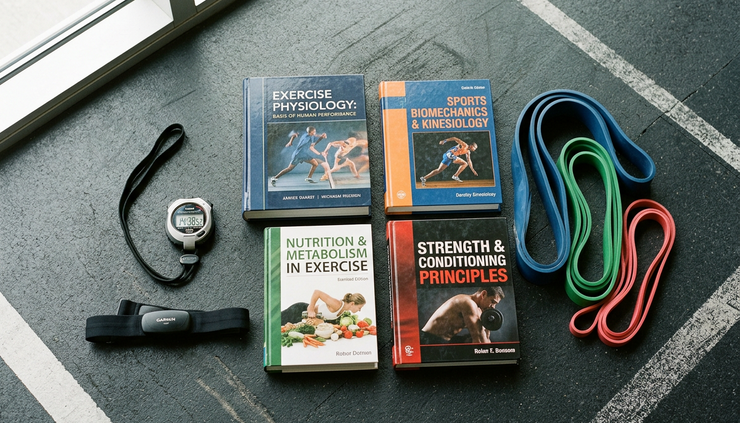
Where sports physiologists work
Sports physiologists work in many performance and health settings.
Common workplaces include:
Universities and colleges
Professional sports teams
Olympic and high-performance centers
Fitness and training facilities
Sports medicine clinics
Research labs
Military or public safety performance programs
Private coaching and testing services
Their daily work changes by setting. In a lab, they may run metabolic tests. With a team, they may track workloads and advise coaches. In a clinic, they may help guide safe exercise for people with medical conditions, within their scope and qualifications.
What makes a good sports physiologist
Technical skill matters. People skills matter just as much.
A good sports physiologist can explain complex data in plain language. Athletes and coaches need clear next steps, not a stack of charts.
Strong professionals usually have:
Good testing skills
Careful recordkeeping
Clear communication
Respect for athlete health
Knowledge of sport demands
Ability to work with coaches and medical staff
Comfort with data and technology
A practical mindset
The best ones do not chase numbers for their own sake. They ask what each number means for training, recovery, or health.
The main takeaway
A sports physiologist helps athletes understand what their bodies can do, where they are limited, and how to improve safely. They use testing, training science, workload tracking, and recovery planning to support better performance and lower injury risk.
For athletes, coaches, and fitness-minded people, the message is clear. Better results start with better information. Measure what matters. Train with purpose. Recover with the same focus used in competition.


Comments