The Health Benefits of Spirulina and the Ideal Daily Dose You Should Take
- Rick Delarosa

- 2 days ago
- 3 min read
Spirulina has gained attention as a powerful superfood packed with nutrients. But how much does it really impact your health, and what is the most effective daily dose? This post explores the benefits of spirulina, backed by research, and offers practical advice on how to include it in your daily routine for the best results.
What Is Spirulina and Why Is It Popular?
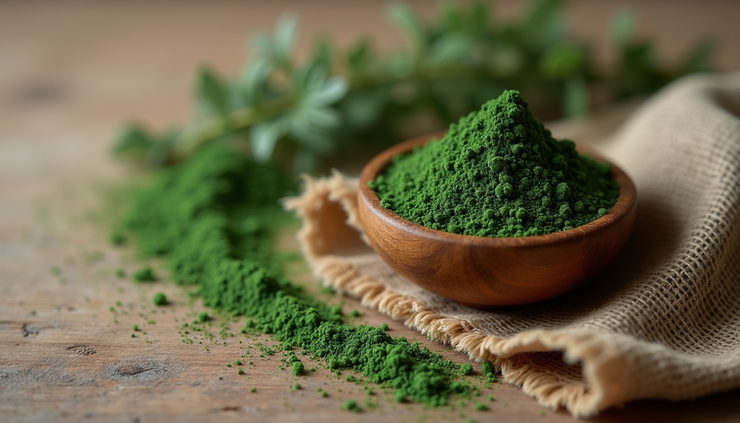
Spirulina is a type of blue-green algae that grows in both fresh and saltwater. It has been consumed for centuries due to its dense nutritional profile. Today, spirulina is available as a powder, tablet, or capsule and is often marketed as a natural supplement to boost overall health.
The appeal of spirulina comes from its rich content of:
Protein (about 60-70% by weight)
Vitamins such as B-complex, vitamin E, and vitamin K
Minerals including iron, magnesium, and potassium
Antioxidants like phycocyanin and beta-carotene
These nutrients support various bodily functions, making spirulina a popular choice for people looking to improve energy, immunity, and overall wellness.
How Spirulina Impacts Your Health
Research shows spirulina offers several health benefits, though effects can vary depending on individual health status and dosage.
1. Supports Immune Function
Spirulina contains antioxidants and anti-inflammatory compounds that help protect cells from damage. Studies suggest it can enhance immune response by increasing the production of antibodies and infection-fighting cells.
2. Improves Energy and Endurance
The high protein content and B vitamins in spirulina contribute to better energy metabolism. Some athletes use spirulina to reduce fatigue and improve endurance during workouts.
3. Helps Manage Cholesterol and Blood Pressure
Clinical trials have found that spirulina supplementation can lower LDL (bad) cholesterol and triglycerides while raising HDL (good) cholesterol. It may also help reduce blood pressure in people with hypertension, supporting heart health.
4. Provides Antioxidant Protection
Phycocyanin, the pigment that gives spirulina its blue-green color, acts as a powerful antioxidant. It helps neutralize free radicals, which can cause oxidative stress linked to chronic diseases.
5. Supports Detoxification
Spirulina may aid in detoxifying heavy metals from the body. Some studies show it can bind to toxins like arsenic and help eliminate them through natural processes.

What Is the Most Effective Daily Dose of Spirulina?
Determining the right dose depends on your health goals and individual tolerance. Research studies have used a wide range of doses, typically between 1 to 10 grams per day.
Common Dosage Guidelines
General health support: 1 to 3 grams daily
Cholesterol and blood pressure management: 4 to 8 grams daily
Athletic performance and endurance: 3 to 6 grams daily
Starting with a lower dose, such as 1 gram per day, allows your body to adjust. You can gradually increase the amount based on how you feel and any advice from a healthcare provider.
Safety and Side Effects
Spirulina is generally safe for most people when taken in recommended doses. Some may experience mild digestive discomfort, such as nausea or bloating, especially when starting supplementation. It is important to choose high-quality spirulina from reputable sources to avoid contamination.
People with autoimmune diseases or allergies to algae should consult a doctor before using spirulina. Pregnant or breastfeeding women should also seek medical advice.
How to Incorporate Spirulina Into Your Daily Routine
Adding spirulina to your diet is simple and versatile. Here are some practical ways to include it:
Mix spirulina powder into smoothies or juices for a nutrient boost
Stir it into water or coconut water with a squeeze of lemon to mask the taste
Add spirulina powder to salad dressings or dips
Take spirulina tablets or capsules as a convenient supplement
Try to take spirulina consistently at the same time each day to build a routine. Combining it with a balanced diet and regular exercise will maximize its benefits.

Final Thoughts on Spirulina and Your Health
Spirulina offers a range of health benefits, from boosting immunity to supporting heart health and energy levels. Research supports its use as a natural supplement, especially when taken in doses between 1 and 8 grams daily depending on your goals.
Start with a small amount and increase gradually while monitoring how your body responds. Choose high-quality spirulina products to ensure safety and effectiveness. Including spirulina as part of a healthy lifestyle can provide a meaningful boost to your overall wellness.
If you are considering spirulina for specific health conditions, consult a healthcare professional to tailor the dose to your needs. With the right approach, spirulina can be a valuable addition to your daily health routine.


Comments