Top Nutrients to Boost Your Immune System Effectively
- Rick Delarosa

- 11 hours ago
- 3 min read
A strong immune system is your body's best defense against infections and illnesses. While many factors influence immunity, nutrition plays a crucial role in keeping your immune defenses sharp and ready. Certain nutrients stand out for their ability to support immune function, helping your body fight off viruses, bacteria, and other harmful invaders. Understanding which nutrients matter most can guide your diet choices and improve your overall health.

Vitamin C: The Immune Booster
Vitamin C is one of the most well-known nutrients for immune health. It supports the production and function of white blood cells, which are essential for fighting infections. Vitamin C also acts as an antioxidant, protecting cells from damage caused by free radicals.
Sources of Vitamin C:
Citrus fruits like oranges, lemons, and grapefruits
Strawberries and kiwi
Bell peppers and broccoli
Tomatoes and spinach
Regular intake of vitamin C can reduce the duration and severity of common colds, according to multiple studies. Including these foods daily can help maintain strong immunity.
Vitamin D: The Immune Regulator
Vitamin D plays a key role in regulating the immune system. It helps activate immune defenses and modulates inflammatory responses. Low vitamin D levels have been linked to increased susceptibility to infections, including respiratory illnesses.
Sources of Vitamin D:
Sunlight exposure (the body produces vitamin D when skin is exposed to sunlight)
Fatty fish such as salmon, mackerel, and sardines
Fortified dairy products and cereals
Egg yolks
Since many people have insufficient vitamin D, especially in winter months or in less sunny regions, supplementation might be necessary. A healthcare provider can help determine if you need extra vitamin D.
Zinc: Essential for Immune Cell Function
Zinc is a mineral critical for immune cell development and communication. It supports the body's ability to respond to pathogens and helps wounds heal faster. Zinc deficiency can impair immune responses and increase infection risk.
Sources of Zinc:
Meat, especially beef and lamb
Shellfish like oysters and crab
Legumes such as chickpeas and lentils
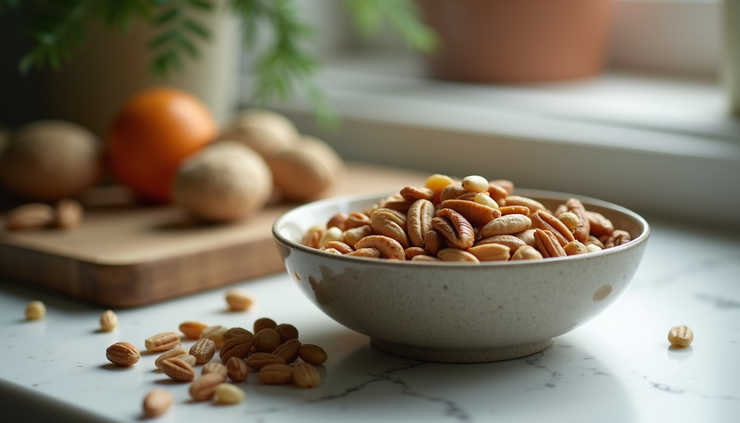
Nuts and seeds
Zinc supplements are sometimes used to reduce cold symptoms, but it’s best to get zinc from food to avoid excessive intake, which can cause side effects.
Protein: Building Blocks for Immunity
Protein is vital for building and repairing tissues, including immune cells. Antibodies and immune signaling molecules are made from proteins, so adequate intake supports the immune system’s structure and function.
Good protein sources include:
Lean meats and poultry
Fish and seafood
Eggs and dairy products
Plant-based options like beans, lentils, tofu, and quinoa
A balanced diet with enough protein helps maintain immune strength, especially during illness or recovery.
Probiotics: Supporting Gut and Immune Health
A large part of the immune system resides in the gut. Probiotics are beneficial bacteria that help maintain a healthy gut environment, which in turn supports immune function. They can improve the body's response to infections and reduce inflammation.
Probiotic-rich foods:
Yogurt with live cultures
Kefir
Sauerkraut and kimchi
Miso and tempeh
Including probiotics regularly can help balance gut bacteria and enhance immunity.

Other Important Nutrients
While the above nutrients are key players, other vitamins and minerals also support immunity:
Vitamin A helps maintain the health of skin and mucous membranes, which act as barriers to infection. Found in carrots, sweet potatoes, and leafy greens.
Vitamin E acts as an antioxidant and supports immune cell function. Found in nuts, seeds, and vegetable oils.
Selenium supports antioxidant defenses and immune responses. Found in Brazil nuts, seafood, and whole grains.
Eating a varied diet rich in fruits, vegetables, whole grains, lean proteins, and healthy fats ensures you get a broad spectrum of nutrients to keep your immune system strong.
Practical Tips to Boost Immunity with Nutrition
Include a colorful variety of fruits and vegetables daily to cover vitamins C, A, and E.
Choose fatty fish twice a week for vitamin D and omega-3 fatty acids.
Add nuts and seeds to snacks or meals for zinc and vitamin E.
Incorporate fermented foods regularly for probiotics.
Maintain adequate protein intake from both animal and plant sources.
Consider vitamin D supplements if you have limited sun exposure or low blood levels.
Small changes in your diet can have a big impact on your immune health over time.
Strong immunity depends on many factors, but nutrition is one of the most controllable. Focusing on key nutrients like vitamin C, vitamin D, zinc, protein, and probiotics helps your body defend itself effectively. By choosing nutrient-rich foods and maintaining a balanced diet, you build a solid foundation for lasting health. Start with simple food swaps and additions today to support your immune system naturally.


Comments