Maximizing Cardiovascular Fitness: The Role of Frequency and Intensity in 2026
- Rick Delarosa

- May 29
- 2 min read
Improving cardiovascular fitness remains a top priority for many people aiming to boost health, endurance, and overall well-being. In 2026, understanding how frequency and intensity of exercise impact cardiovascular gains is more important than ever. With evolving fitness trends and new research, knowing how often and how hard to train can help you achieve better results efficiently and safely.

Why Frequency Matters for Cardiovascular Fitness
Frequency refers to how often you engage in cardiovascular exercise each week. The American Heart Association recommends at least 150 minutes of moderate aerobic activity or 75 minutes of vigorous activity weekly. But how does frequency alone influence fitness?
Consistent stimulus: Regular sessions keep your heart and lungs adapting, improving oxygen delivery and endurance.
Habit formation: Frequent workouts build routine, making it easier to maintain long-term fitness.
Recovery balance: Spreading workouts throughout the week allows adequate recovery, reducing injury risk.
For example, exercising five days a week for 30 minutes can be more effective than one long session weekly. This approach maintains steady cardiovascular stress and recovery cycles, promoting better heart health.
The Impact of Intensity on Cardiovascular Gains
Intensity measures how hard your body works during exercise. It can be gauged by heart rate, perceived exertion, or pace. Intensity plays a crucial role in how much your cardiovascular system improves.
Moderate intensity (50-70% of max heart rate) improves endurance and fat metabolism.
High intensity (70-90% of max heart rate) boosts aerobic capacity and heart strength faster.
Interval training alternates high and low intensity, maximizing calorie burn and cardiovascular adaptation.
Studies show that high-intensity interval training (HIIT) can improve cardiovascular fitness in less time than steady-state cardio. For example, a 20-minute HIIT session with bursts of sprinting followed by walking can produce similar or better results than a 45-minute jog.
Combining Frequency and Intensity for Best Results
Neither frequency nor intensity alone guarantees optimal cardiovascular fitness. The best improvements come from balancing both factors based on your goals, fitness level, and lifestyle.
Beginners should start with moderate intensity 3-4 times per week, gradually increasing frequency and intensity.
Experienced athletes may train 5-6 days weekly, incorporating high-intensity sessions and recovery days.
Mixing steady-state cardio with interval training prevents plateaus and keeps workouts engaging.
For instance, a weekly plan might include three moderate runs, two HIIT sessions, and two rest or active recovery days. This variety challenges the cardiovascular system while allowing time to rebuild.
Practical Tips to Apply Frequency and Intensity in 2026
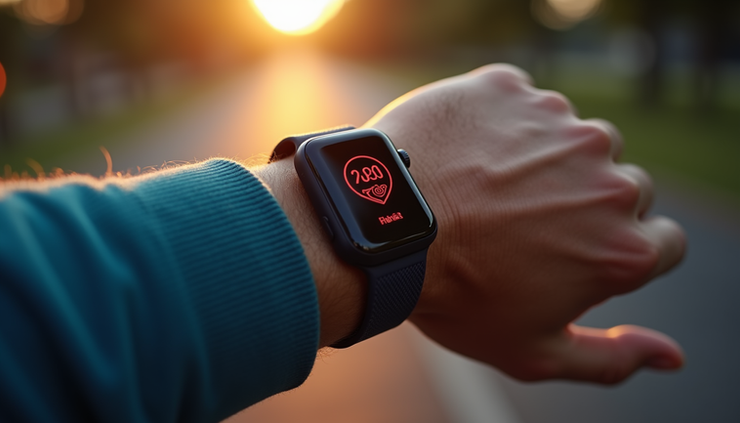
With wearable technology and fitness apps advancing, tracking frequency and intensity is easier than ever. Here are some practical ways to maximize your cardiovascular fitness:
Use a heart rate monitor to stay in your target zones.
Schedule workouts on a calendar to ensure consistent frequency.
Include warm-ups and cool-downs to prepare your heart and muscles.
Adjust intensity based on how you feel; avoid overtraining.
Incorporate cross-training activities like cycling or swimming to reduce injury risk.
For example, if you notice fatigue or declining performance, reduce intensity or add rest days. Listening to your body helps maintain progress without setbacks.




Comments